

UK Formaldehyde Manufacturer and Supplier: Secure Supply
Synthite is a UK formaldehyde supplier and the UK’s only independent producer of formaldehyde, with a manufacturing capacity of 100,000+ tonnes a year at our Mold facility in North Wales. Three production plants, recent multi-million-pound investment, and an in-house tanker fleet combine to deliver the supply security, product consistency and long-term reliability that UK industrial customers depend on.
100k+ tonnes
Formaldehyde capacity a year at Mold
3 plants
Providing operational resilience
24–53%
Aqueous solution concentrations available
Only
Independent UK producer
Why Formaldehyde Matters to UK Manufacturing
Formaldehyde is a critical and versatile intermediate for UK manufacturing. It underpins the production of resins, adhesives, insulation, coatings, automotive components and a range of industrial and agricultural chemistries, serving construction, furniture, automotive, agriculture and specialist chemical manufacturing.
Formaldehyde-based resins remain the material of choice across these sectors thanks to their proven balance of strength, stability and cost-efficiency, supported by well-established manufacturing and regulatory frameworks.
For UK manufacturers, sourcing from a domestic producer reduces the supply chain exposure that comes with reliance on imported material.
The Importance of Domestic Supply
As a hazardous material requiring specialist handling, formaldehyde carries meaningful supply chain risk when sourced internationally.
Synthite’s UK manufacturing capability provides customers with shorter lead times, greater transport flexibility and a more resilient supply position than imported material can offer.
We operate three formaldehyde production plants at Mold, providing a degree of on-site operational resilience that a single-unit producer cannot match. If one plant is undergoing maintenance or modification, production continues.

Key Applications for Formaldehyde
Formaldehyde: The Chemistry of Everyday Items
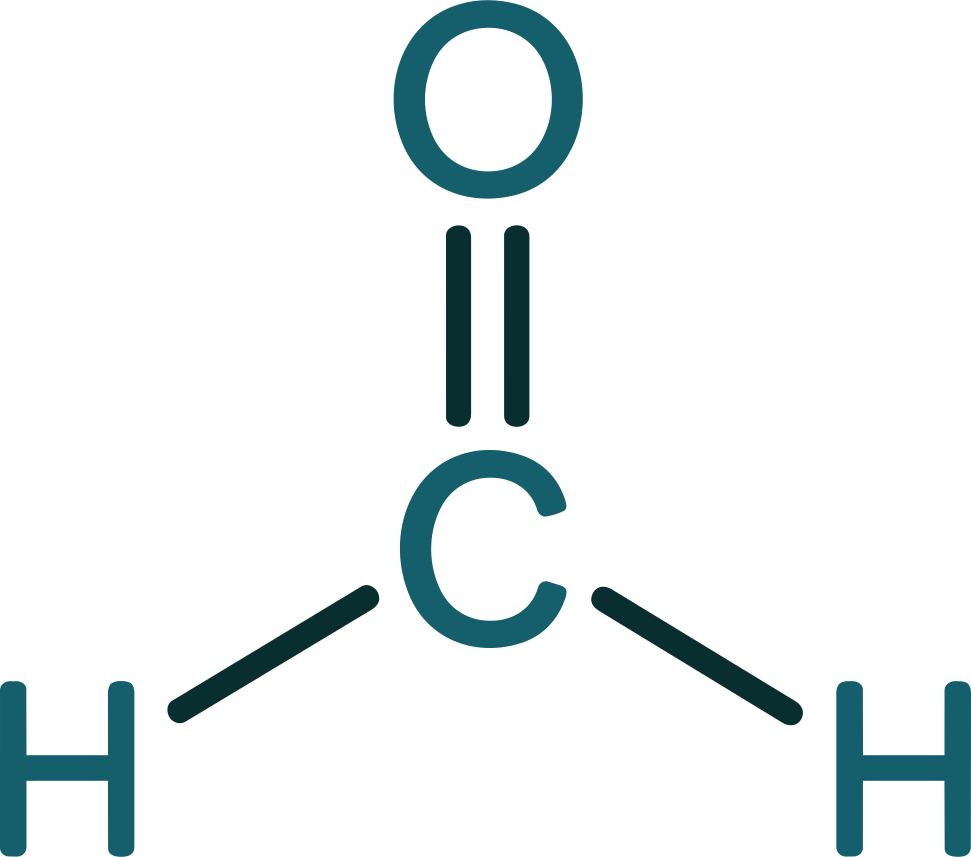
Formaldehyde is a versatile chemical building block used across a wide range of industrial applications, from construction materials and engineered wood products to automotive components and speciality chemicals.
Its reactivity and performance characteristics support high-volume manufacturing across multiple sectors.
Formaldehyde: A Versatile Building Block Across Industrial Applications
Supporting key sectors from engineered wood and construction materials to chemical and animal husbandry applications.

Construction &
Building Materials
 Engineered Wood
 Resins & Adhesives

Industrial & Chemical
Applications
 Speciality Chemicals
 Paraformaldehyde Derivatives

Transport &
Automotive
Automotive Components
Animal Husbandry
 Hoof Bath Treatments
Formaldehyde Solution Grades and Supply Options
Synthite supplies methanol-stabilised aqueous formaldehyde solutions (formalin) manufactured to specifications for industrial use. Our formaldehyde grades are defined primarily by concentration, enabling customers to select the most appropriate solution for their process, handling, and downstream formulation requirements.
Available Concentrations
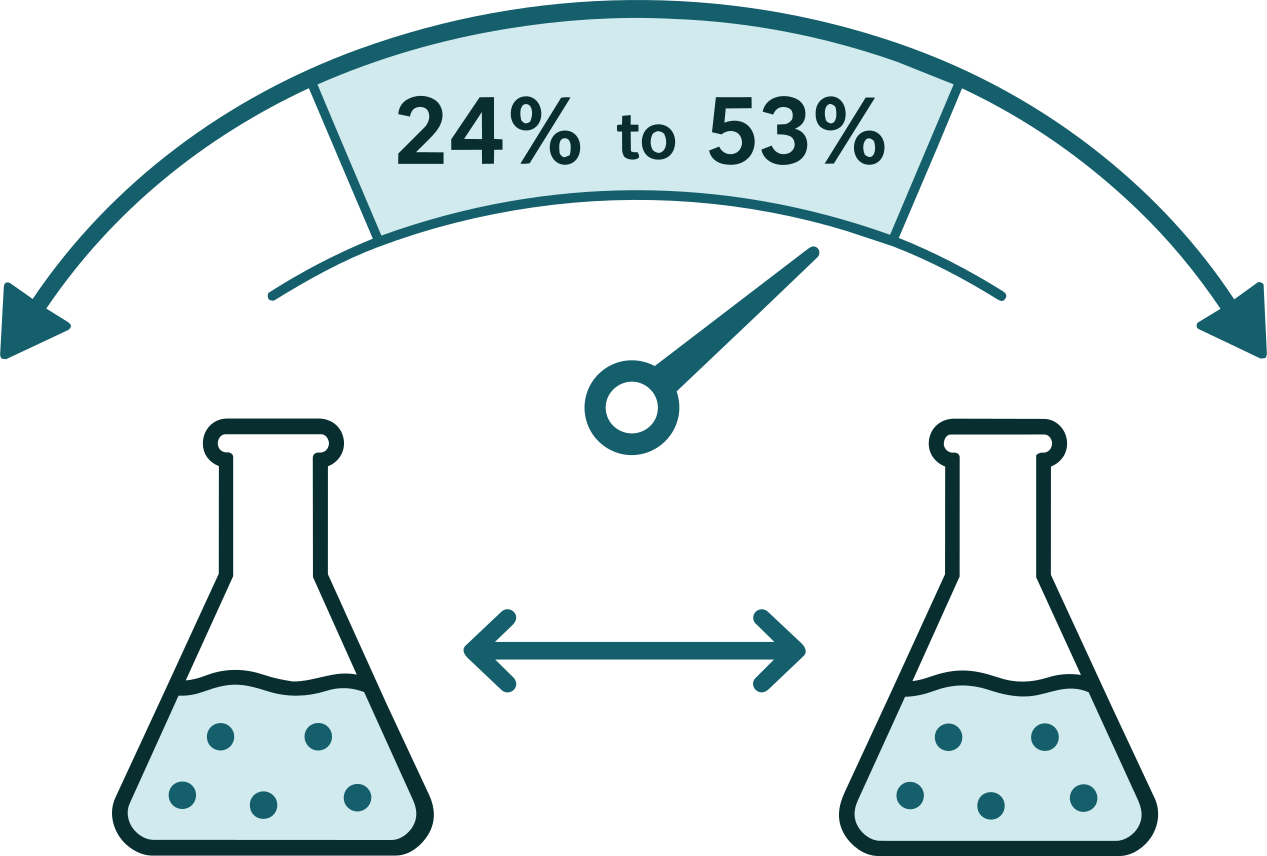
Formaldehyde solutions are available in concentrations ranging from 24% to 53%.
- Lower concentration grades are typically selected where ease of handling, dilution flexibility, or specific process control requirements are important.
- Higher concentration grades are commonly used where reduced transport volumes or higher formaldehyde loading is required within a formulation.
This range supports the requirements of resin manufacture and a wide variety of downstream chemical processes.
Methanol Stabilisation
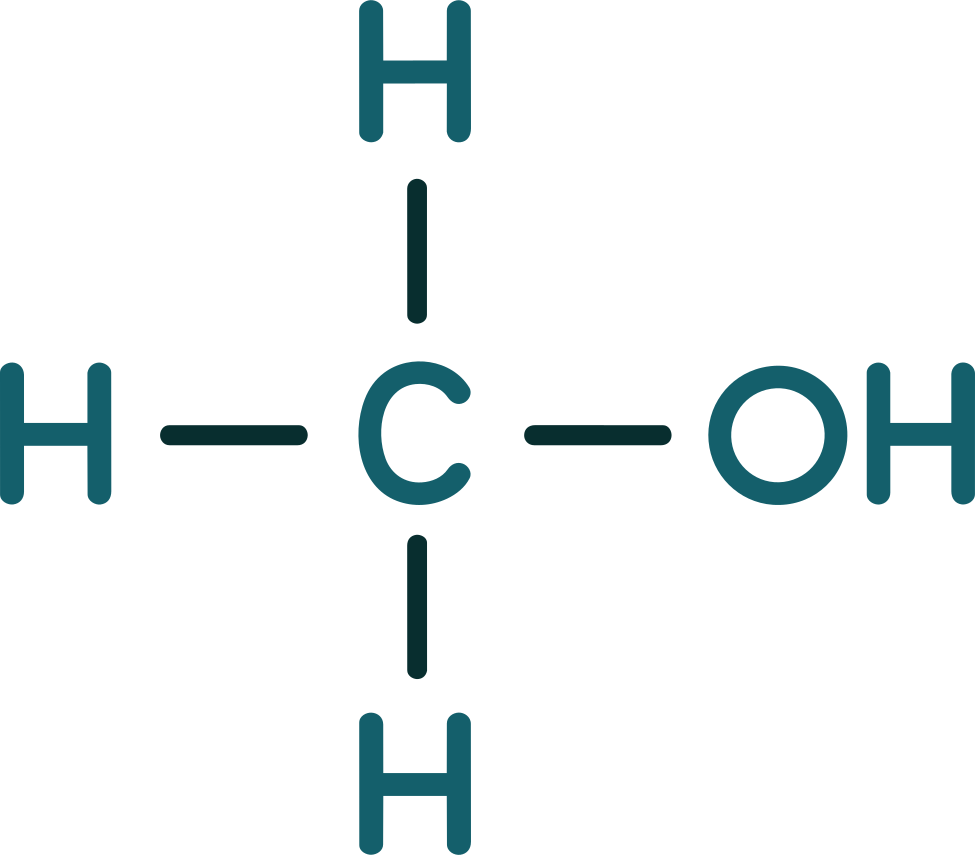
All grades are stabilised with methanol to inhibit polymerisation during storage and transport. This stabilisation supports consistent handling, predictable behaviour, and maintained specification integrity across the supply chain.
Supply Formats
Formaldehyde solutions are supplied in:
- Bulk deliveries
- 1,000 litre IBCs
- 200 litre drums
- 25 litre canisters
Grades and Supply at a Glance
Methanol-stabilised formaldehyde solutions for industrial use
Concentration Choices
Lower Concentration
- Easy Handling
- Flexible Dilution
Higher Concentration
- Reduced Transport
- High Formulation Loading
Stabilisation with Methanol
- Prevents Polymerisation
- Ensures Stability & Quality
Supply Formats





Why Choose Synthite as Your Formaldehyde Supplier
Synthite is the UK’s only independent producer of formaldehyde, supporting critical manufacturing sectors with secure, high-quality domestic supply.
Our integrated production capability, operational resilience and long-term investment provide customers with a level of supply assurance, traceability and consistency that imported material cannot replicate.
From our UK base, we can manufacture over 100,000 tonnes, supporting industries where reliability, compliance and product performance are essential.

Only Independent
UK Formaldehyde Producer
100,000+ Tonnes/yr
Formaldehyde Capacity

Three Plants
On one site, with built-in redundancy

20,000 Tonnes
UK methanol storage

COMAH Upper-Tier
ISO 9001 & ISO 14001
Independence that Protects Supply
Being the only independent UK producer isn’t just a market position; it removes exposure to import delays, currency swings, and overseas plant outages that affect customers relying on imported formaldehyde.
Three Production Plants, Built-In Resilience
Operating three formaldehyde production units at a single site provides operational redundancy that a single-plant producer cannot offer. Planned or unplanned maintenance on one unit does not interrupt supply.
Integrated Methanol & Formaldehyde Production
Synthite’s integration into bulk methanol supply, the primary raw material for formaldehyde production, provides direct control over feedstock availability, quality and cost. With over 20,000 tonnes of UK methanol storage, this integration ensures supply continuity and consistent product performance.
Upper-Tier COMAH, Operational Credibility
Synthite’s upper-tier COMAH designation means our safety management systems, emergency planning and regulatory reporting are subject to ongoing independent scrutiny by the HSE and Natural Resources Wales.
In-House Logistics, Full Supply Chain Control
Synthite’s dedicated tanker fleet delivers formaldehyde directly from our Mold site to the customer, with full control over scheduling, driver standards and product integrity.
Long-Term Investment in UK Capacity
Recent multi-million-pound investment in a new formaldehyde production unit demonstrates a long-term commitment to UK manufacturing.
Scalable Pathways to Lower-Carbon Formaldehyde
Formaldehyde’s carbon footprint is directly influenced by the methanol feedstock and energy used in its production. Synthite has decided to use 100% renewable electricity (REGO certified) at its Mold site as part of its ongoing commitment to reducing operational emissions.
As lower-carbon methanol options develop, this creates a practical and scalable pathway to reducing the carbon intensity of formaldehyde without requiring disruptive changes to existing processes or supply chains.
By selecting different methanol feedstocks, formaldehyde production can be aligned to a range of carbon performance profiles. This allows customers to balance sustainability objectives with technical performance, supply security and commercial viability, enabling progressive, measurable reductions rather than a disruptive all-or-nothing switch.
Synthite’s integrated methanol and formaldehyde capabilities allow this transition to be managed in a controlled and credible way. As mass balance certified methanol, bio-based methanol and, in time, e-methanol become commercially viable, we are positioned to reflect these inputs within formaldehyde production.
This approach supports customers in reducing embedded carbon while maintaining the reliability, quality and cost-effectiveness their operations depend on.
From Methanol to Formaldehyde – A Linked Carbon Pathway
Lower-carbon methanol feedstocks enable progressively reduced-carbon formaldehyde solutions.
Methanol feedstock
→
Formaldehyde production

Methanol

Formaldehyde

Methanol

Formaldehyde

Methanol
Formaldehyde

Neutral

Frequently Asked Questions
Yes. Synthite has a manufacturing capacity of 100,000+ tonnes of formaldehyde a year at its Mold site in North Wales. It is the UK’s only remaining independent producer, supplying formaldehyde to a wide range of industrial manufacturing sectors.
Formaldehyde is a critical intermediate for UK manufacturing. It is essential for producing resins and materials used in engineered wood, construction products, insulation, coatings, automotive components, and other industrial applications that underpin everyday infrastructure and manufacturing.
Synthite operates three formaldehyde production plants at its Mold site, providing operational resilience. Ongoing multi-million-pound investment in modernised production technology further strengthens supply security and long-term reliability for customers.
Formaldehyde supplied by Synthite is used across engineered wood and panel products, resins and adhesives, construction materials, insulation systems, automotive components, and speciality chemical manufacturing where consistent quality and secure supply are essential.
Formaldehyde is used to produce urea-, melamine- and phenolic-based resins that bind wood fibres and particles together. These resins are essential to the manufacture of chipboard, MDF, plywood, and other engineered panels used throughout the UK construction and furniture industries.
Formaldehyde is a key feedstock for thermosetting resins and adhesives that require controlled curing, strong bonding, and resistance to heat and moisture. Consistent formaldehyde quality is critical to maintaining predictable resin performance in high-volume industrial production environments.
Yes. Formaldehyde-based resins supplied by Synthite are used in insulation boards, laminates, coatings, and composite construction materials where durability, performance, and regulatory compliance are required at industrial scale.
Synthite supplies methanol-stabilised aqueous formaldehyde solutions in concentrations ranging from 24% to 53%, allowing customers to select grades that best suit their industrial and downstream chemical processes.
All formaldehyde grades supplied by Synthite are stabilised with methanol to inhibit polymerisation during storage and transport. This supports predictable handling and consistent performance at industrial scale.
Formaldehyde is supplied in bulk for continuous or high-volume users, in IBCs, 200 litre drums and 25 litre canisters for batch-based operations. All supply formats are supported by agreed specifications and full batch documentation.
Yes. Because formaldehyde’s carbon footprint is directly linked to the methanol used in its production, Synthite can support scalable pathways to lower-carbon formaldehyde as alternative methanol feedstocks, such as mass-balance certified, bio-based or e-methanol, become commercially viable.
As the UK’s only independent producer of formaldehyde and paraformaldehyde, Synthite plays a critical role in maintaining domestic manufacturing resilience. Integrated production and long-term investment ensure continuity for customers where formaldehyde supply is business-critical.