

Bulk Methanol Supplier to UK Industry: Secure and Reliable
Synthite is one of the UK’s leading methanol suppliers and distributors, supplying bulk methanol (methyl alcohol) from 20,000 tonnes of sea-fed storage capacity on the North West Coast of England. Our strategic infrastructure, long-term international sourcing agreements and dedicated in-house tanker fleet ensure secure, reliable methanol supply for customers across the chemical, energy, resin and industrial manufacturing sectors.
20,000
Tonnes of sea-fed UK storage, North West Coast
40,000
Tonnes supplied to the UK market annually
35
Road tankers in our in-house fleet
Low Carbon
Mass balance methanol available
Why Methanol Matters to UK Manufacturing
Methanol is one of the most important and versatile chemical building blocks in UK industrial production. It underpins the manufacture of resins and adhesives, solvents, fuels, chemical intermediates, pharmaceuticals and coatings, supporting sectors from construction and automotive to agriculture and energy.
As a hazardous, flammable substance, methanol requires specialist expertise to store, handle and distribute safely at scale. Synthite brings decades of operational experience, purpose-built infrastructure and rigorously controlled procedures to every stage of the supply chain, giving manufacturers the confidence to rely on methanol as a consistent, high-performance feedstock.


Our Methanol Supply Chain

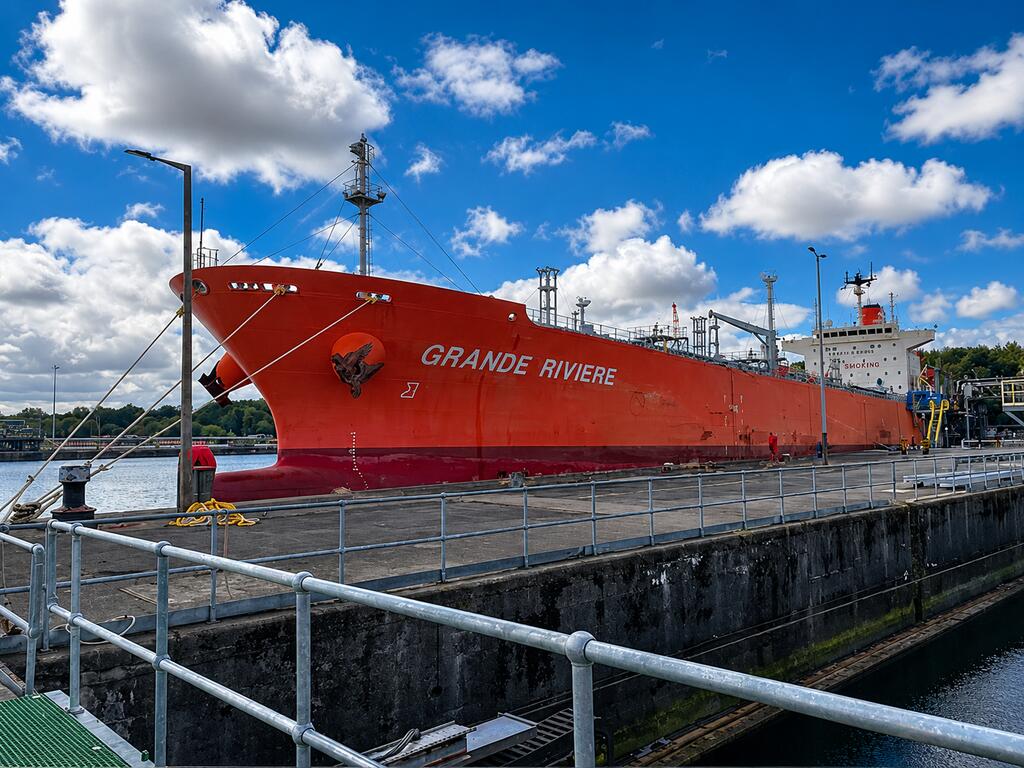
Sourced Globally
Methanol sourced from trusted international producers.
Stored Safely
Bulk storage in dedicated methanol tanks with advanced safety and monitoring systems.
Handled with Expertise
Specialist procedures and trained teams ensure safe handling at every stage.
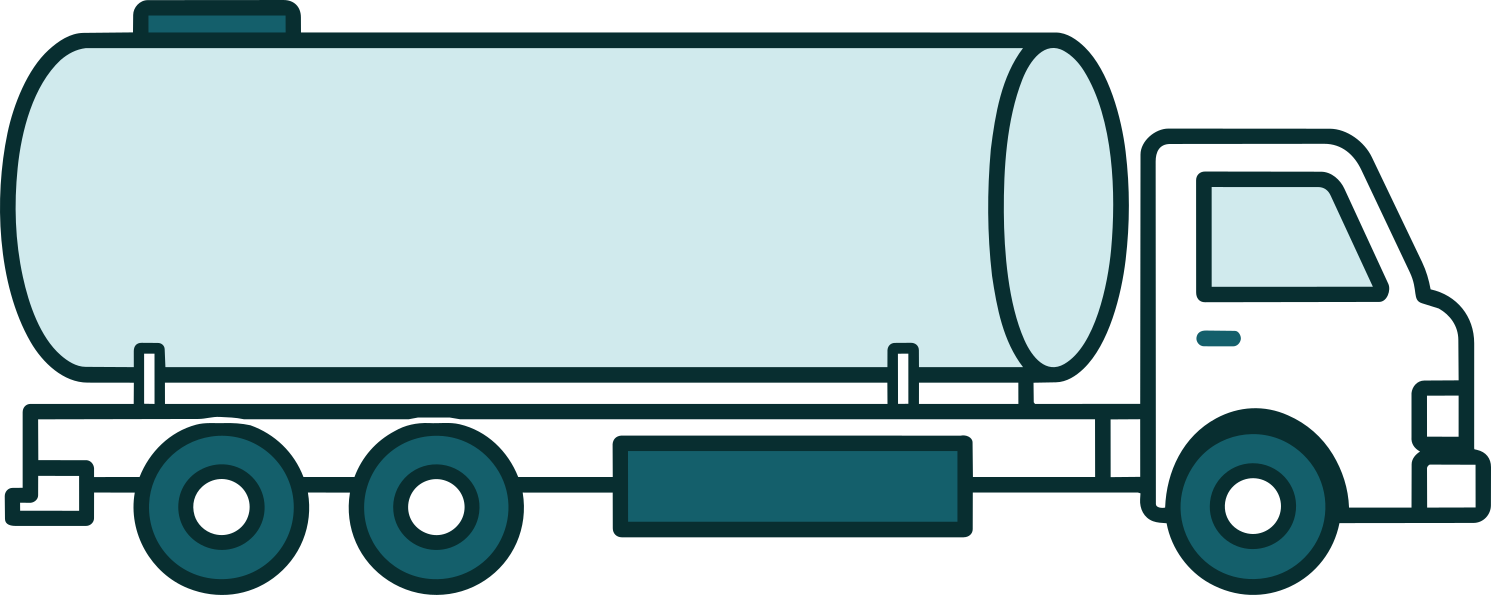
Distributed Reliably
Methanol tanker delivery direct to site from our in-house fleet.

Powering UK Manufacturing
Enabling industries and supporting economic growth.

Rigorously controlled procedures, maintained to the highest standards, ensure the safe storage handling and distribution of methanol at scale.
Key Applications for Methanol in UK Industry
Methanol has a wide range of industrial uses due to its versatility as a chemical feedstock, solvent and energy carrier. The sectors below highlight some of the most important applications for methanol across UK manufacturing and industrial supply chains.

Resins & Adhesives Manufacturing
Primary feedstock for formaldehyde production, used to manufacture UF, MUF and PRF resins for chipboard, MDF, plywood and OSB.

Solvent & Chemical Processing
Widely used as a polar solvent in synthesis, extraction, purification and solvent recovery within tightly controlled processing environments.

Methanol for Biodiesel, Energy & Fuel Blending
Used in biodiesel (FAME) production and fuel blending, supporting renewable fuel supply chains and lower-emission energy pathways.

Agricultural & Industrial Chemicals
Used in agrochemical intermediate synthesis and a broad range of industrial processes requiring a versatile, reactive solvent.

Pharmaceuticals & Healthcare
Traceable methanol used as a process solvent in synthesis, crystallisation, extraction and purification within regulated manufacturing environments.

Low Carbon & Emerging Technologies
Increasingly positioned as a platform molecule for direct methanol fuel cells, e-fuels, chemical recycling and sustainable aviation fuel pathways.

Automotive Manufacturing & Transport
Supports production processes across coatings, adhesives, polymer components and emerging low-emission fuel applications.

Construction Materials
Methanol-derived resins are integral to insulation, adhesives, surface coatings and structural composites across the UK construction sector.
Why Choose Synthite as Your Methanol Supplier?
Synthite is one of the UK’s largest suppliers of bulk methanol, importing over 100,000 tonnes annually and supplying more than 40,000 tonnes to the UK market from our strategically located, sea-fed storage facility in the North West of England.
Our integrated storage, sourcing and logistics infrastructure provides supply continuity, traceability and resilience that smaller or import-dependent suppliers cannot replicate. This is supported by in-house distribution and full quality assurance.
100,000+
Tonnes Imported Annually
40,000+
Tonnes to UK Market
20,000 tonnes
Sea-fed UK Storage
ISCC+
Mass Balance Certified
Full Control from Import to UK Delivery

Sea-fed import terminal
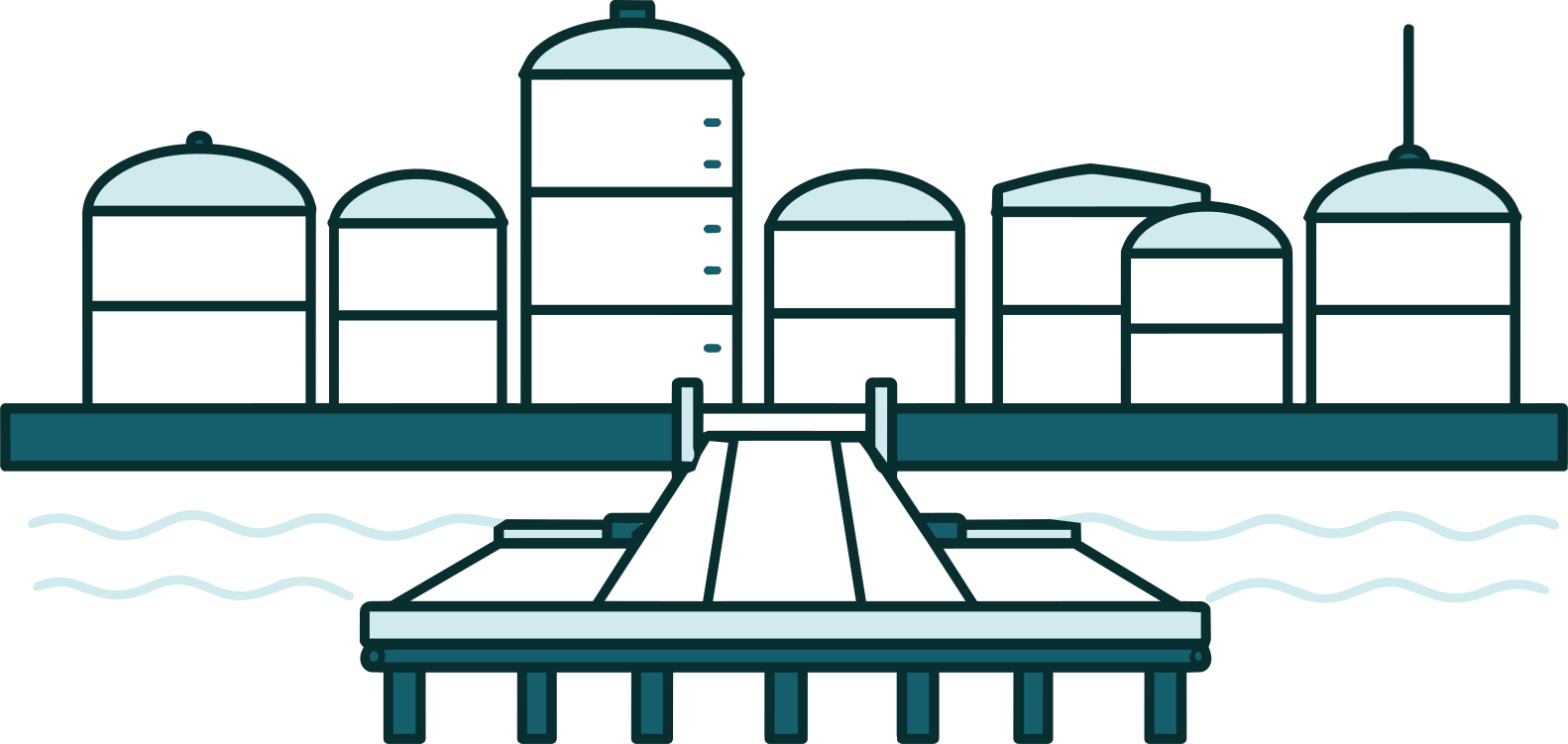
20,000 tonnes of coastal storage
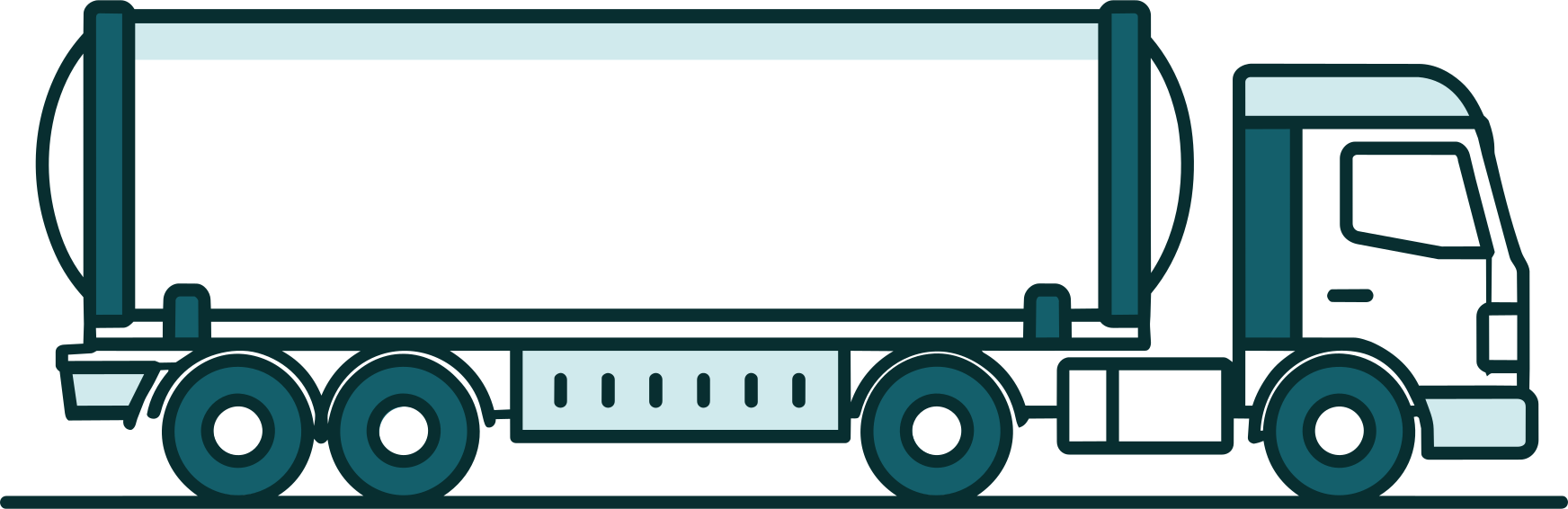
National bulk delivery fleet
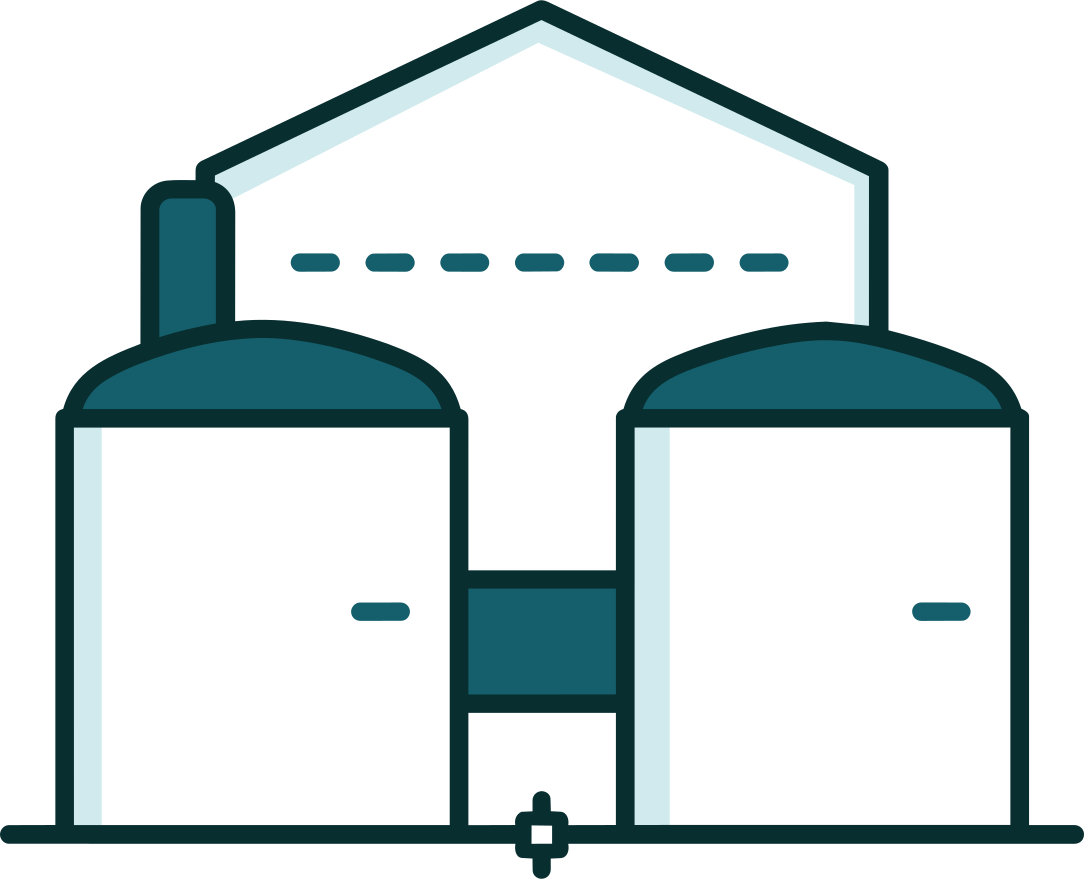
20,000 tonnes Strategic Storage, Built for Resilience
Synthite operates 20,000 tonnes of sea-fed methanol storage on the North West Coast of England, one of the largest independent methanol storage positions in the UK, providing buffer capacity and continuity during periods of shipping, market or geopolitical disruption.
Long-Term Sourcing Agreements with a Top-Tier Global Producer
Supply is underpinned by long-term agreements with one of the world’s largest methanol producers, ensuring consistent volume, stable quality and preferential access during periods of market tightness. Structured supply, not spot-market purchasing.
Single-Source Traceable Supply for Audit-Critical Customers
Synthite can supply fully traceable single-source methanol from dedicated storage tanks, providing documented assurance for customers with strict quality, audit or regulatory requirements, including pharmaceutical and purity-critical applications.
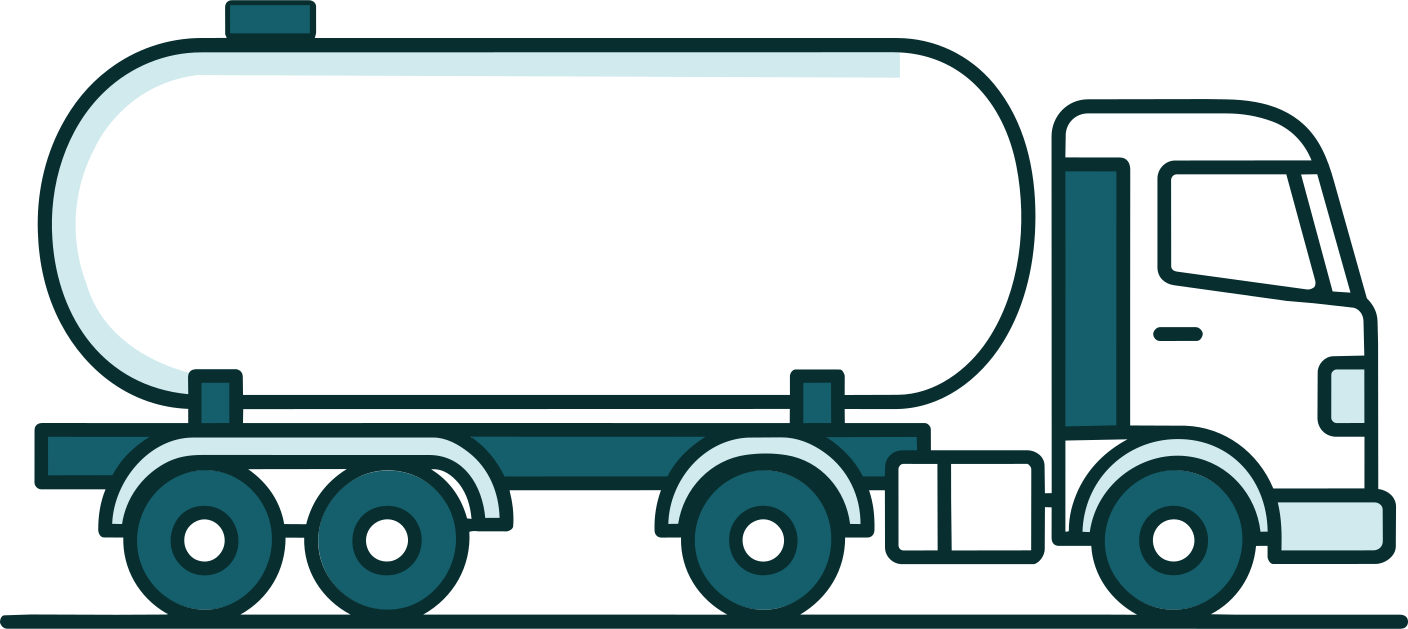
In-House Tanker Fleet, Full Logistics Control
National bulk delivery is handled by Synthite’s own dedicated tanker fleet, giving full control over scheduling, safety standards and product integrity from storage to customer site. Dedicated methanol-only tankers are available where cross-contamination risk must be minimised.
Quality Assurance, ISO Certification and Full Traceability
Every delivery is supported by comprehensive quality control and documentation, underpinned by ISO 9001 certified management systems. Customers receive the traceability and compliance documentation their own obligations require.
Low Carbon: Mass Balance Methanol Available
As an ISCC+ certified supplier, Synthite can provide mass balance methanol to customers progressing toward lower-carbon production. Options including bio-based feedstocks and, in time, e-methanol allow the carbon footprint of supply to be adjusted incrementally as market availability develops.
The Path to Lower Carbon Methanol
The transition to lower-carbon production is a progressive journey for most manufacturers, requiring a balance between environmental performance, supply security, technical suitability and commercial practicality.
Methanol provides a realistic and scalable route to reducing carbon intensity in measured steps, without requiring wholesale changes to existing processes or infrastructure.
Options such as mass-balance certified methanol, bio-based feedstocks and, in time, e-methanol allow carbon intensity to be adjusted incrementally in line with customer priorities and market availability.
Synthite works closely with upstream partners to support customers as these lower-carbon options become increasingly viable at commercial scale, with investment in new production facilities designed to provide long-term flexibility.
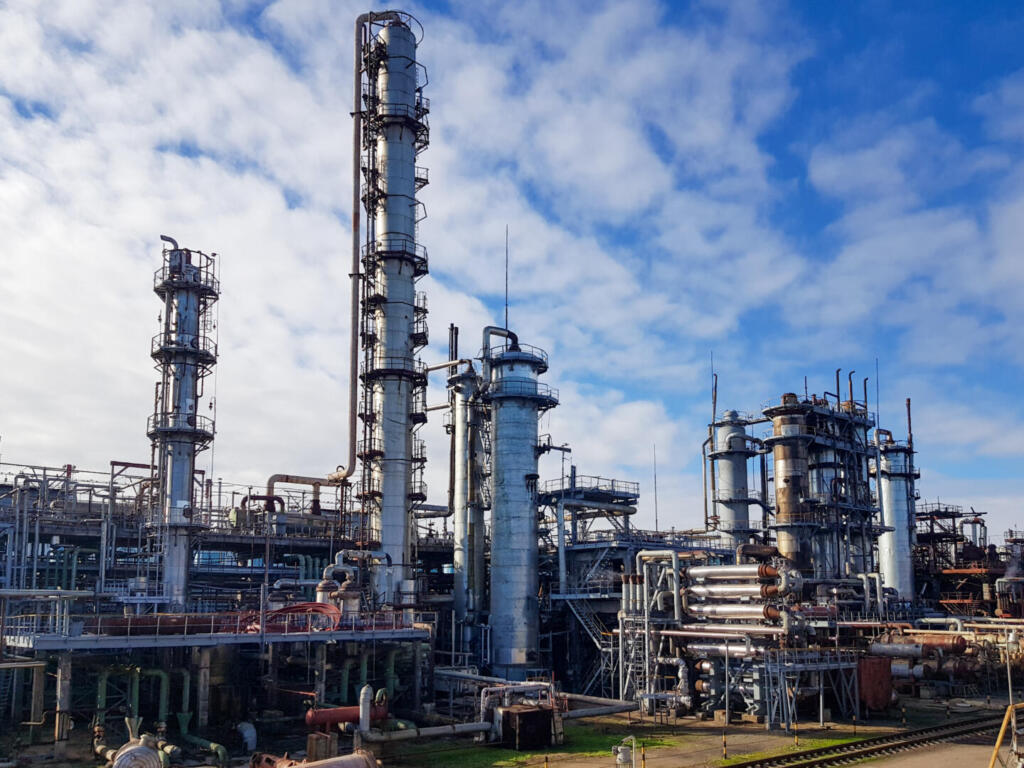
The Different Types of Methanol
Methanol is classified by its production route and associated carbon intensity, forming a recognised framework used across the chemical and energy industries.
The recognised categories (brown, grey, blue and green methanol) reflect this progression, allowing manufacturers to align carbon reduction with operational and commercial requirements.
Different Types of Methanol
Classification by feedstock origin and carbon intensity
Brown
Methanol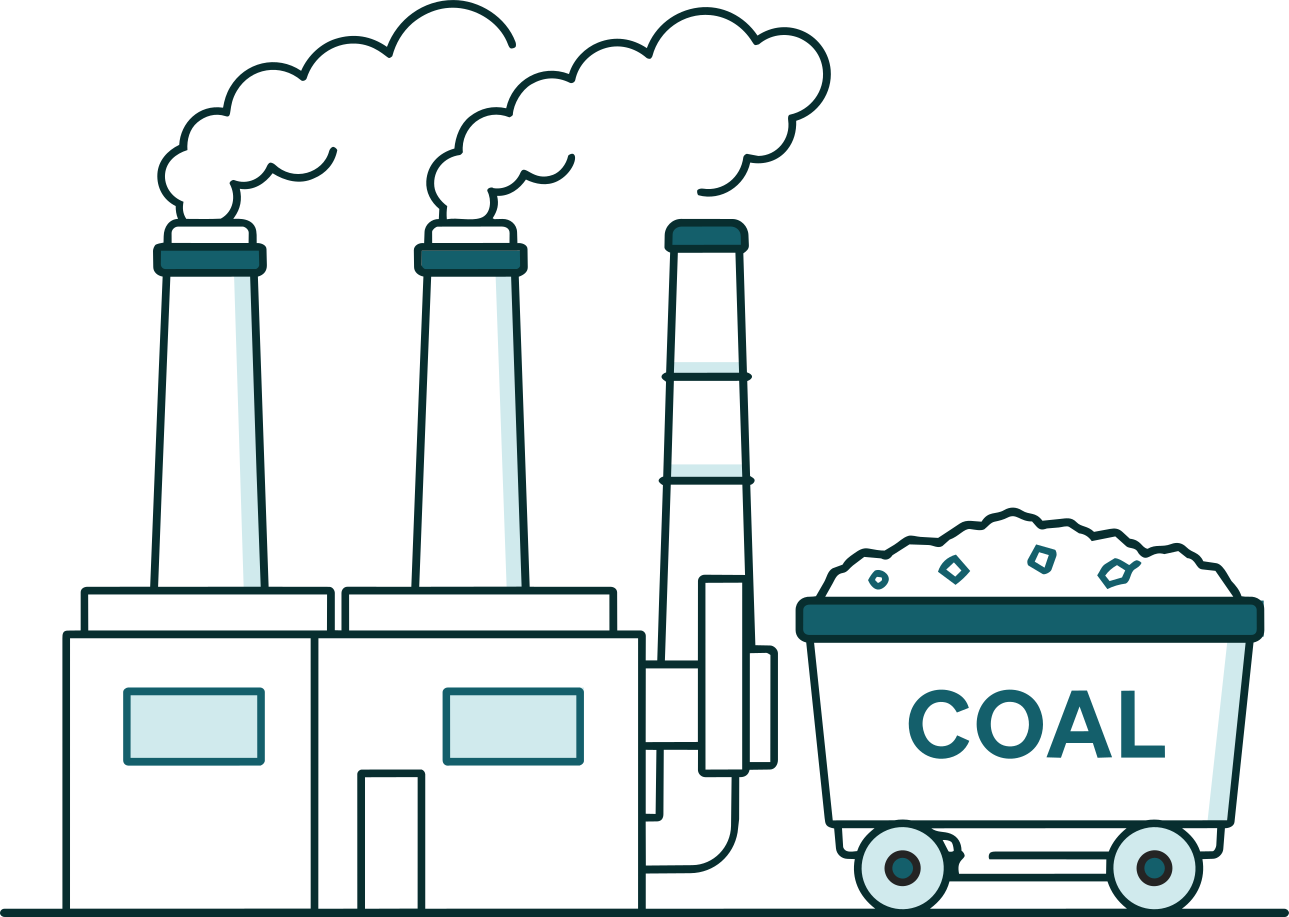
Coal gasification
Produced from coal via gasification. Highest carbon intensity. No CCS applied.
Grey
Methanol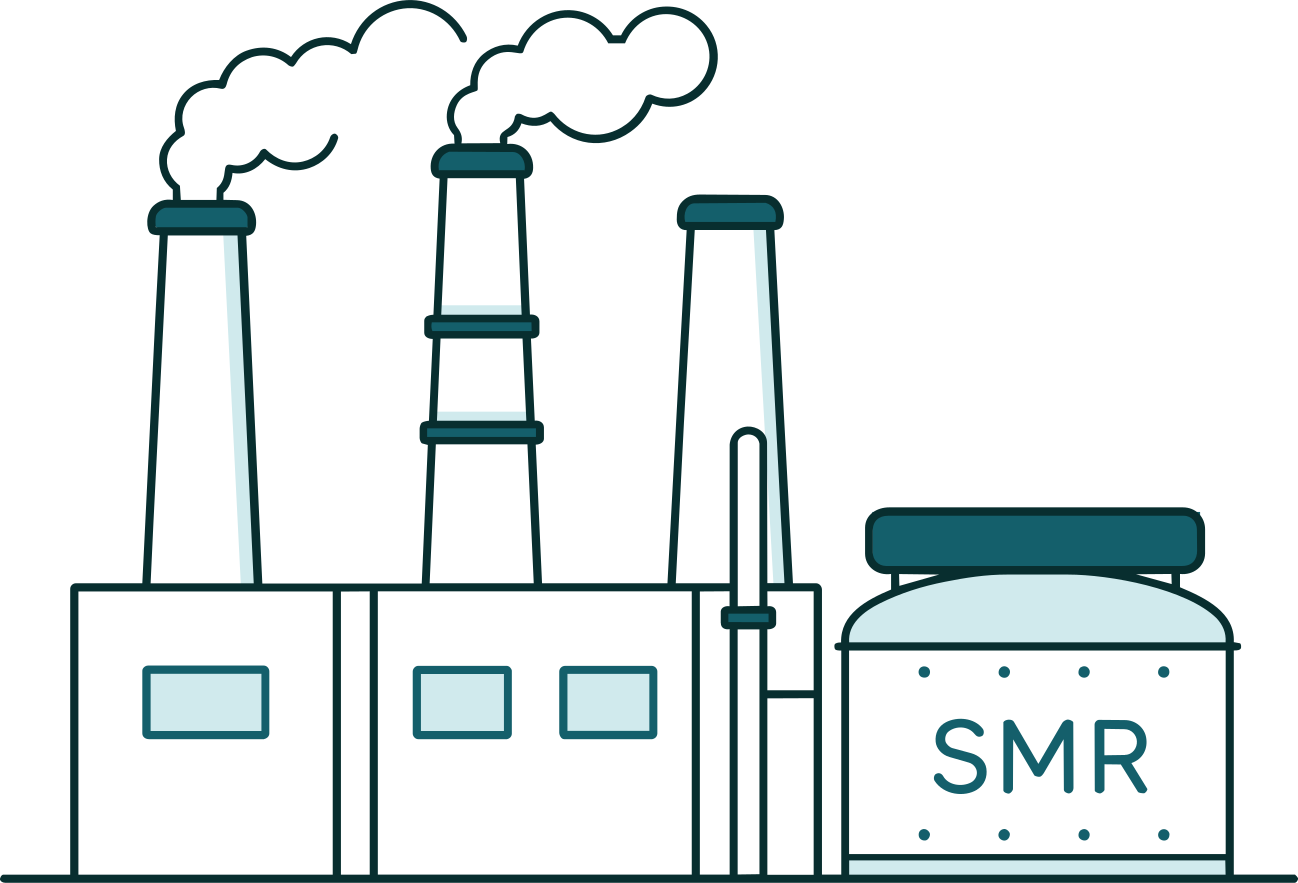
Natural gas (SMR), no carbon capture
Produced from natural gas via steam methane reforming (SMR). CO2 emitted to atmosphere.
Blue
Methanol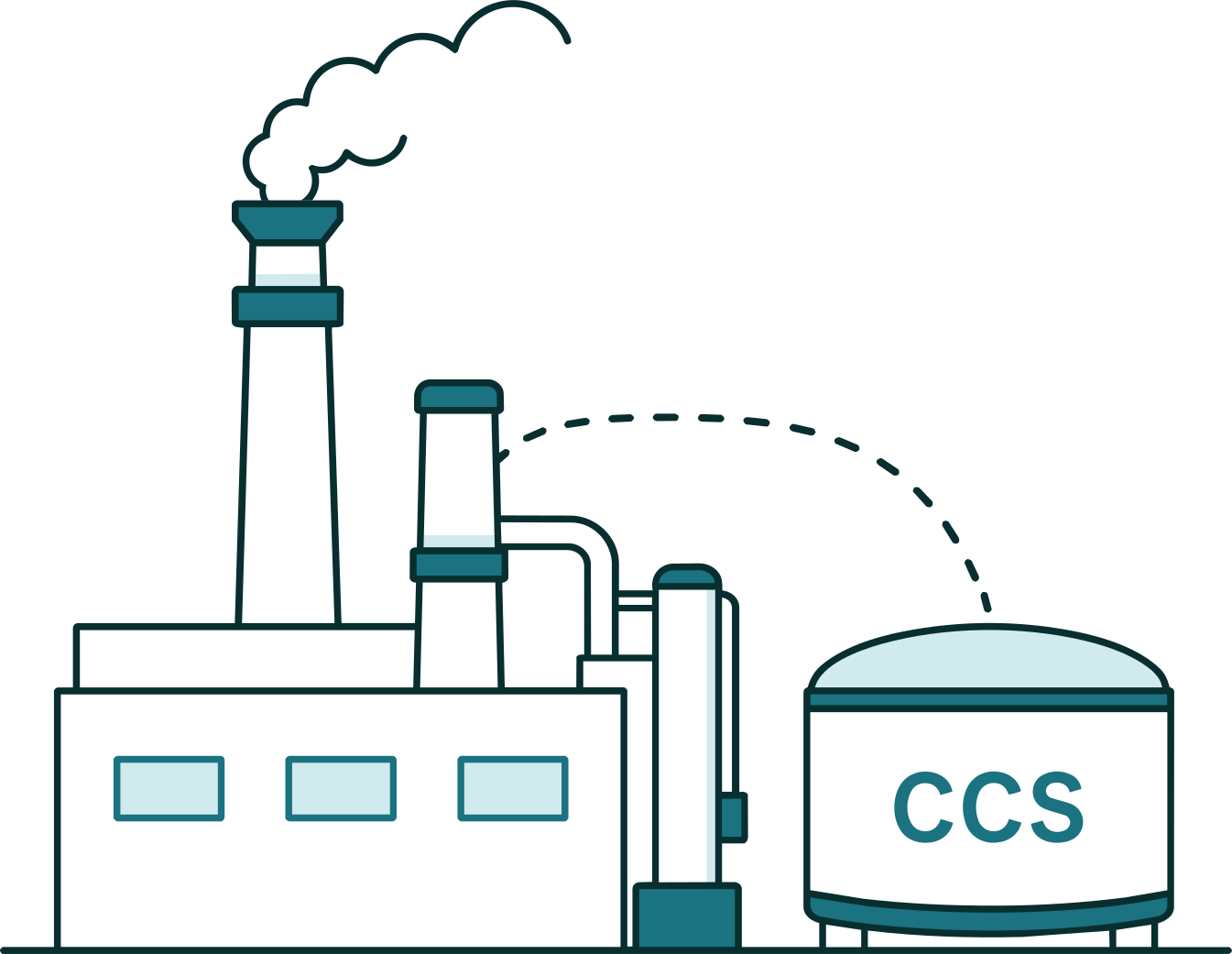
Natural Gas with CCS
Produced from natural gas via SMR with carbon capture. Significantly lower emissions applied at point of production.
Green
Methanol
Bio-methanol (biomass) or e-methanol (green H2 + captured CO2 + renewable electricity)
Produced using renewable biomass or green hydrogen and captured CO2 with renewable electricity.

Supporting Your Sustainability & ESG Objectives
Synthite works with recognised sustainability and supply chain assessment frameworks to support customers in meeting procurement, ESG and reporting requirements.
Our ISCC+ certification provides a credible, independently verified route to lower-carbon methanol through certified mass balance supply chains, without requiring changes to existing processes or infrastructure.
Synthite works with organisations including ISCC+, EcoVadis, Together for Sustainability (TfS), Achilles, CDP and Open-ES to support customers’ regulatory, reporting and responsible sourcing requirements.




Frequently Asked Questions
Yes. Synthite is one of the UK’s leading suppliers of methanol, supported by 20,000 tonnes of sea-fed storage capacity on the North West Coast of England, ensuring secure and reliable supply for UK manufacturers.
Synthite combines strategic UK storage with long-term international sourcing agreements from one of the world’s largest methanol producers. This approach provides buffer capacity and resilience against shipping, market, and geopolitical disruption.
Methanol supplied by Synthite is used across a wide range of UK industries, including resins and adhesives, chemical processing, fuel blending and energy, pharmaceuticals and healthcare, construction materials, automotive manufacturing, agriculture, and industrial chemicals.
Methanol is a key feedstock in the production of formaldehyde and other intermediates used to manufacture resins such as UF, MUF, and PRF. These resin systems are essential for producing engineered wood products including chipboard, MDF, plywood, and OSB used across the UK construction and furniture sectors.
Methanol is widely used as a polar solvent and process medium in UK chemical manufacturing. Its consistent purity, water miscibility, and predictable evaporation make it suitable for extraction, synthesis, purification, and solvent recovery systems in tightly controlled processing environments.
Yes. Methanol supplied by Synthite is used in energy and fuel value chains, including biodiesel (FAME) production. These applications support renewable fuel production and improved efficiency within existing UK fuel supply systems.
Yes. Synthite supplies high-quality methanol suitable for use as a solvent in pharmaceutical and healthcare manufacturing, supporting applications such as synthesis, extraction, crystallisation, and purification within regulated production environments.
Methanol is stored, handled, and distributed by Synthite using purpose-built infrastructure, tightly controlled operating procedures, and experienced personnel. This ensures methanol is managed safely and consistently at industrial scale across storage, transport, and supply.
Synthite supplies methanol in bulk using its own dedicated tanker fleet, allowing full control over delivery scheduling, safety standards, and product integrity across the UK. Dedicated methanol-only tankers are also available for customers with stringent purity requirements.
All methanol supplied by Synthite is supported by certified quality control systems, full documentation, and traceability. Operations are certified to ISO 9001 and ISO 14001, and Synthite is an ISCC+ approved supplier, enabling the supply of mass balance methanol where required.
Yes. Synthite actively engages with recognised sustainability and supply-chain assessment frameworks including ISCC+, EcoVadis, Achilles, CDP, Open-ES, and Together for Sustainability. This helps customers meet procurement, ESG, and reporting requirements with confidence.
Where required, Synthite can offer ISCC+ mass balance methanol, supporting customers who are progressing toward lower-carbon production pathways while maintaining supply security, quality, and commercial practicality.
Methanol is increasingly recognised as a key molecule for emerging low-carbon technologies, including biodiesel production, direct methanol fuel cells, chemical recycling, and alternative feedstock pathways. Its compatibility with existing infrastructure supports scalable transition toward lower-carbon industrial systems.
Methanol is classified into four types based on its production route and carbon intensity: brown, grey, blue and green. Brown methanol has the highest carbon footprint; green methanol is considered to have the lowest carbon footprint.
Brown methanol is produced via coal gasification. It carries the highest carbon intensity of all methanol types and is produced without any carbon capture or storage.
Grey methanol is the current industry standard, produced from natural gas via steam methane reforming (SMR). CO₂ is released directly to the atmosphere with no carbon capture applied.
Blue methanol is produced from natural gas with carbon capture and storage (CCS) applied at the point of production. This significantly reduces its lifecycle carbon emissions compared to grey methanol.
Green methanol is produced either from biomass (bio-methanol) or from renewable electricity combined with green hydrogen and captured CO₂ (e-methanol). Across its production and use cycle, it is generally considered to have the lowest carbon footprint or to be carbon neutral.
Both grey and blue methanol are produced from natural gas. The difference is that blue methanol has carbon capture and storage (CCS) applied during production, significantly reducing its carbon emissions. Grey methanol has no CCS and releases CO₂ directly to atmosphere.
Blue methanol is fossil-derived but uses CCS to reduce emissions. Green methanol is produced entirely from renewable or biological sources and is generally considered carbon neutral, making it the lower-carbon option of the two.
E-methanol (electrofuel methanol) is a type of green methanol produced using renewable electricity, green hydrogen and captured CO₂. It is one of the most promising net-zero fuels for shipping and heavy industry.
Green or E-methanol has the lowest carbon emissions. Of the fossil-derived types, blue methanol has the lowest emissions due to carbon capture and storage applied during production.
Yes. Synthite supplies methanol and holds ISCC+ approval, providing an independently verified route to lower-carbon methanol. Available without changes to your existing processes or supply arrangement.
European methanol is priced against published benchmarks, quoted in euros per tonne FOB Rotterdam, the region’s main import and trading hub. These include a quarterly contract price, a monthly contract price and a daily spot price. Prices move with natural gas costs, global supply and demand, plant outages and shipping rates.
Synthite offers index-linked prices that follow a published benchmark, spot prices for one-off or short-notice requirements, and fixed prices for an agreed period. Contact our sales team to discuss the right option for your bulk methanol supply.